Fast location browsing, but too little room for the editorial voice.
Independent editorial concept / Project 4 / 2026
Give curiosity
somewhere to go.
Lagos Index connects cultural storytelling with a practical place index. One typographic system carries the reader from a field note to a saved place and an eight-page take-away edition.
- The brief
- Help a curious reader choose a cultural space, understand why it matters and find the information needed to plan a visit.
- My work
- Editorial concept, desk research, writing, typography, information architecture, illustrations, interaction and frontend.
- Delivered
- Three field notes, six sourced place profiles, a neighbourhood diagram, a saved shortlist, a digital edition and editable source.

The editorial decision
A small edition.
A clear way in.
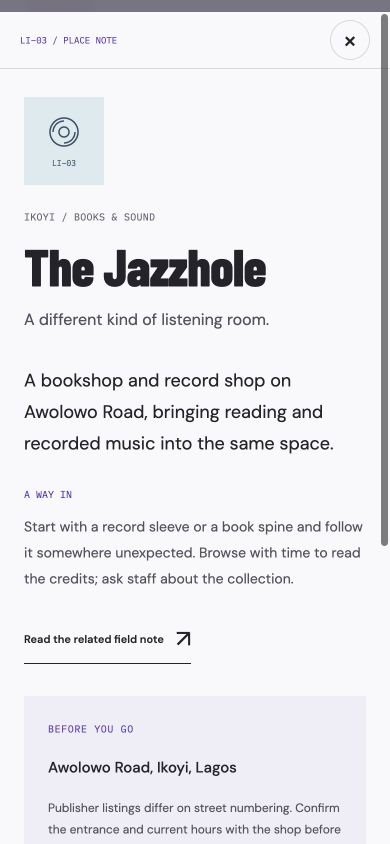
The three field notes now follow concrete connections: the public-pool history at J. Randle, album-cover art in CCA’s 2007 programme, and reading through the Jazzhole’s bookselling and musical lineage.
Each profile adds a dated focus: a historical episode, an exhibition or a work to follow. Sources sit beside those details. The desktop opening was tightened so the place index can be reached from the first screen.
Encourages a long stream of cards and implies current event coverage.
A distinctive opening, short reads, then a practical index and a take-away.
A face. A building. A room in use.
Give the places
their own presence.
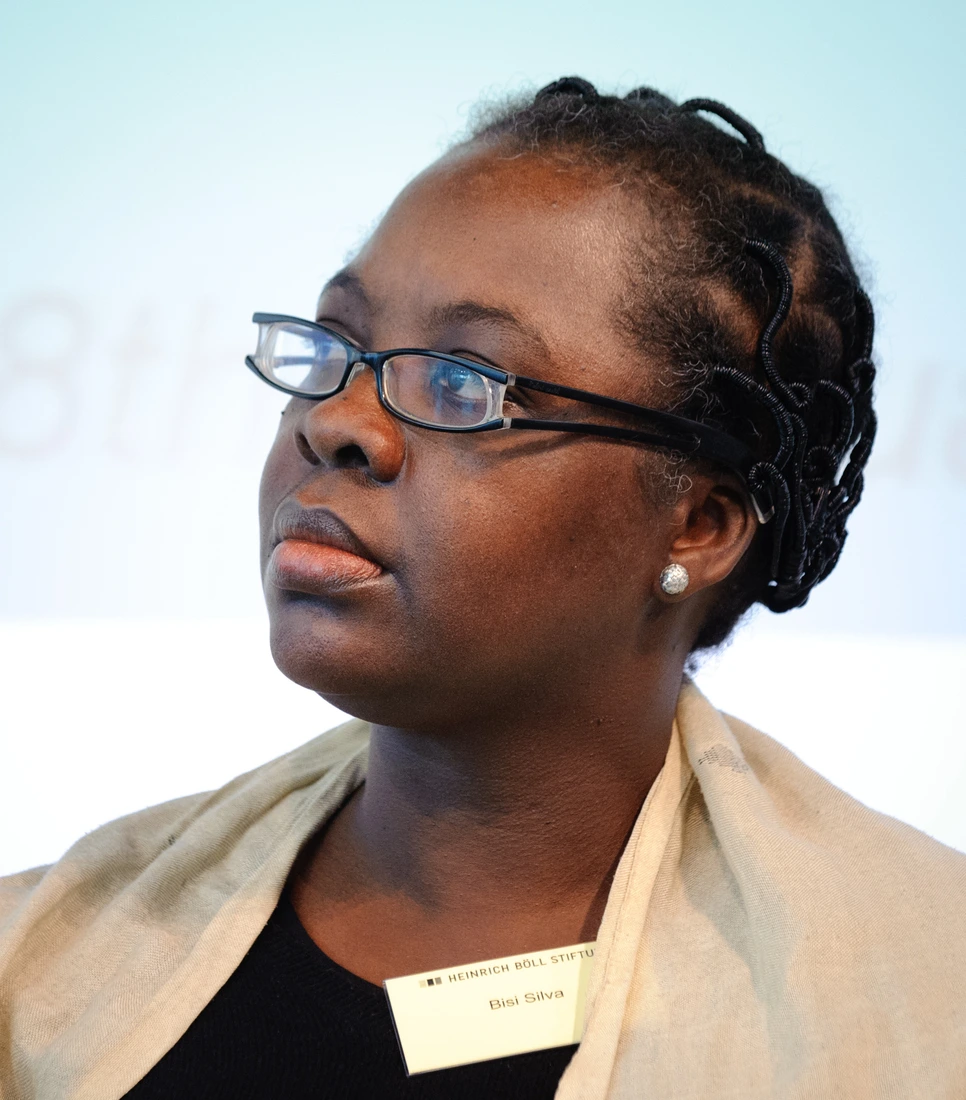
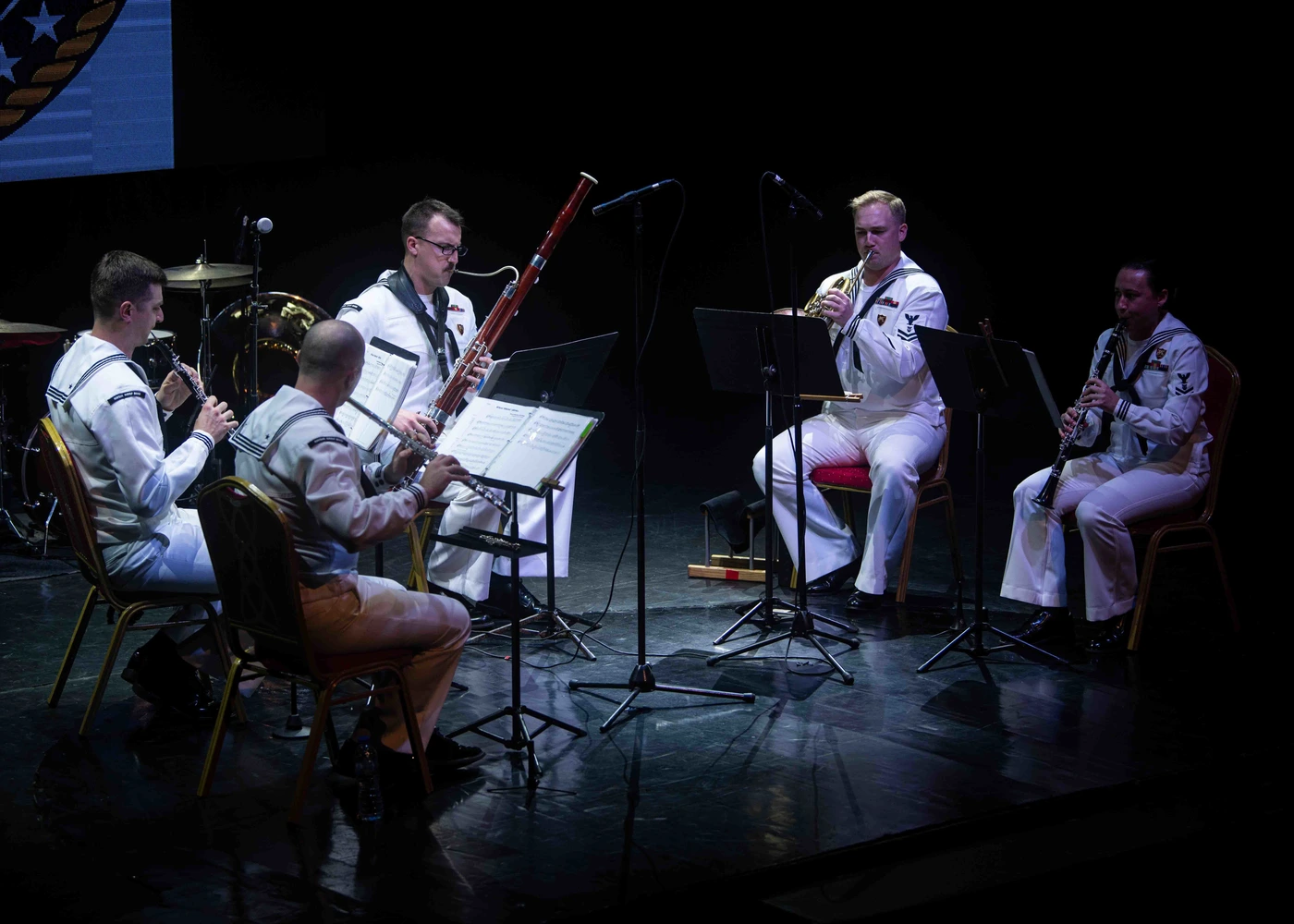
Five credited photographs add real context: building exteriors in Onikan, Ikoyi and Ibeju-Lekki, a portrait of CCA founder Bisi Silva and a historical concert at Terra Kulture.
Dates and subjects are explicit. The Jazzhole’s published photo essay is linked at its publisher; the guide uses a labelled editorial graphic there.
View image sources & licences ↗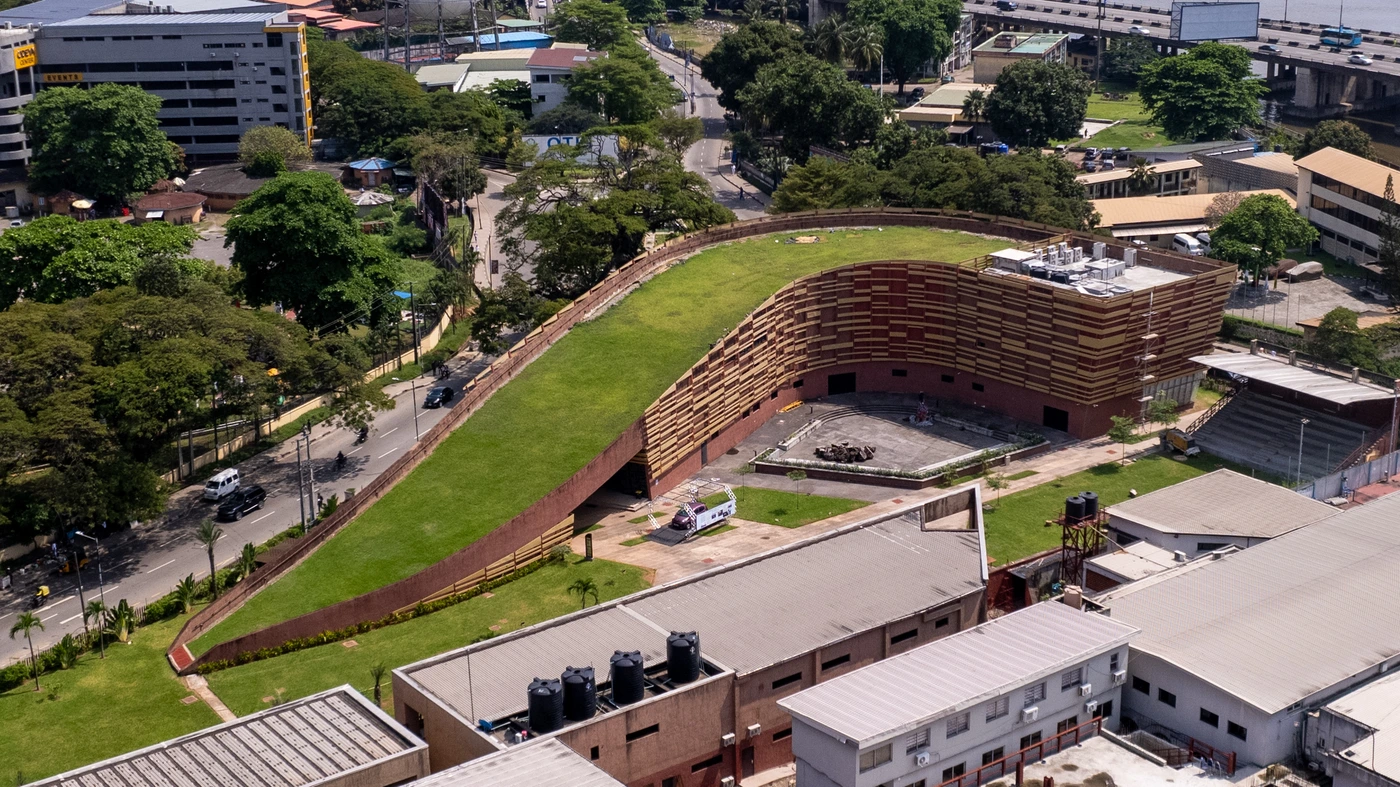
Type as structure
From a sign
to a sentence.
Barlow Condensed gives the masthead its physical presence. DM Sans gives the stories room to be read. IBM Plex Mono marks issues, interests and neighbourhoods without competing with the prose.
Violet ink carries actions and index marks. Lagoon blue belongs to the diagram; mango appears as an editorial accent. The same hierarchy continues into the PDF.
LAGOS
INDEX ↗
An address can tell you where a place is. It cannot tell you what to pay attention to when you arrive.
The Lagoon Fold
Locate the area.
Keep the context.
The diagram is deliberately a neighbourhood schematic. It shows the inner-city relationships and places Ibeju-Lekki in a separate inset, instead of making a distant museum look like the next stop.
Interest and area filters intersect. The map and list use the same place data. Venue details hand off to a current map search for the journey.
Open the neighbourhood fold ↗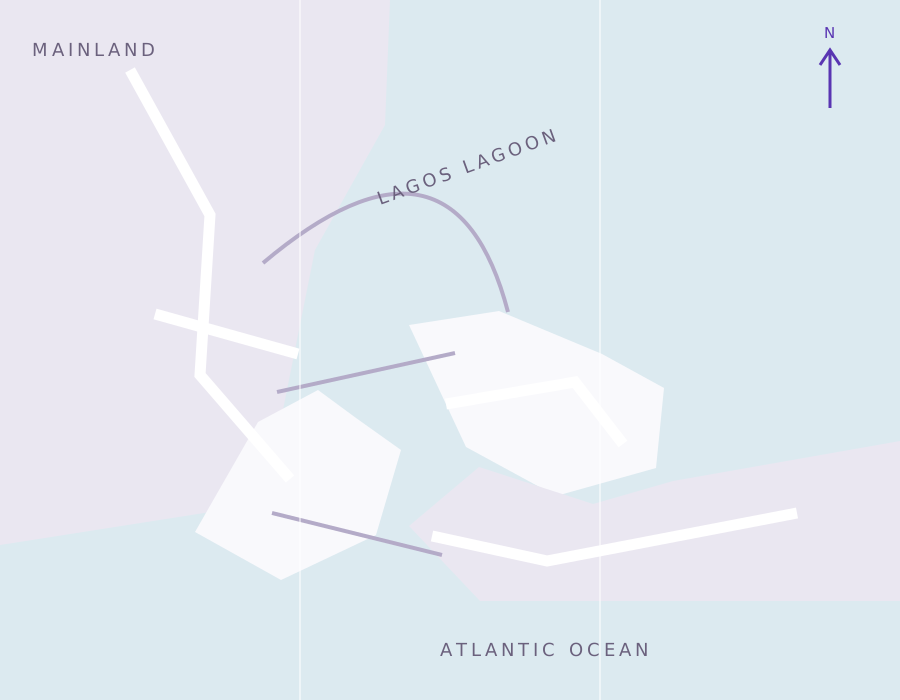
A note becomes a shortlist
Keep what
made you curious.
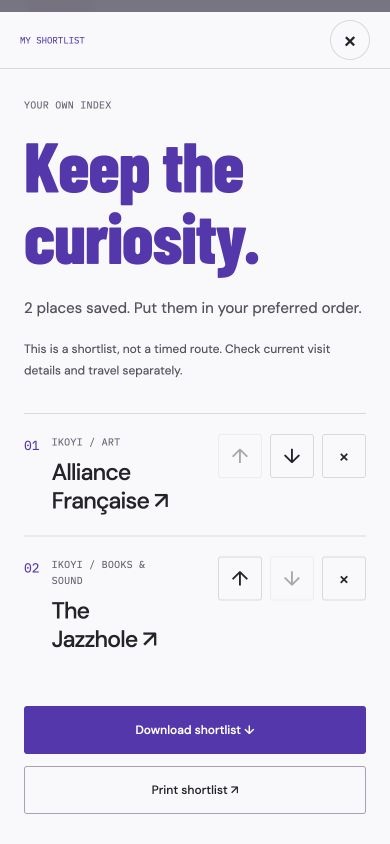
Readers can save from a place card, a field note or a place profile. The same saved state follows them. Their shortlist can be reordered, downloaded as text or printed in a dedicated layout.
Saved places stay in the browser. If storage is unavailable, the guide explains how to keep the list by exporting it. There is no account, location request or booking step.
Across screen and page
An edition
worth keeping.
The eight-page digital edition gives the project a second format: a cover, contents, three field notes, a neighbourhood fold, a place index and source notes.
The typography and classification stay consistent. Page rhythm, reading width and image placement change for the smaller publication format.
Open Issue 01 ↗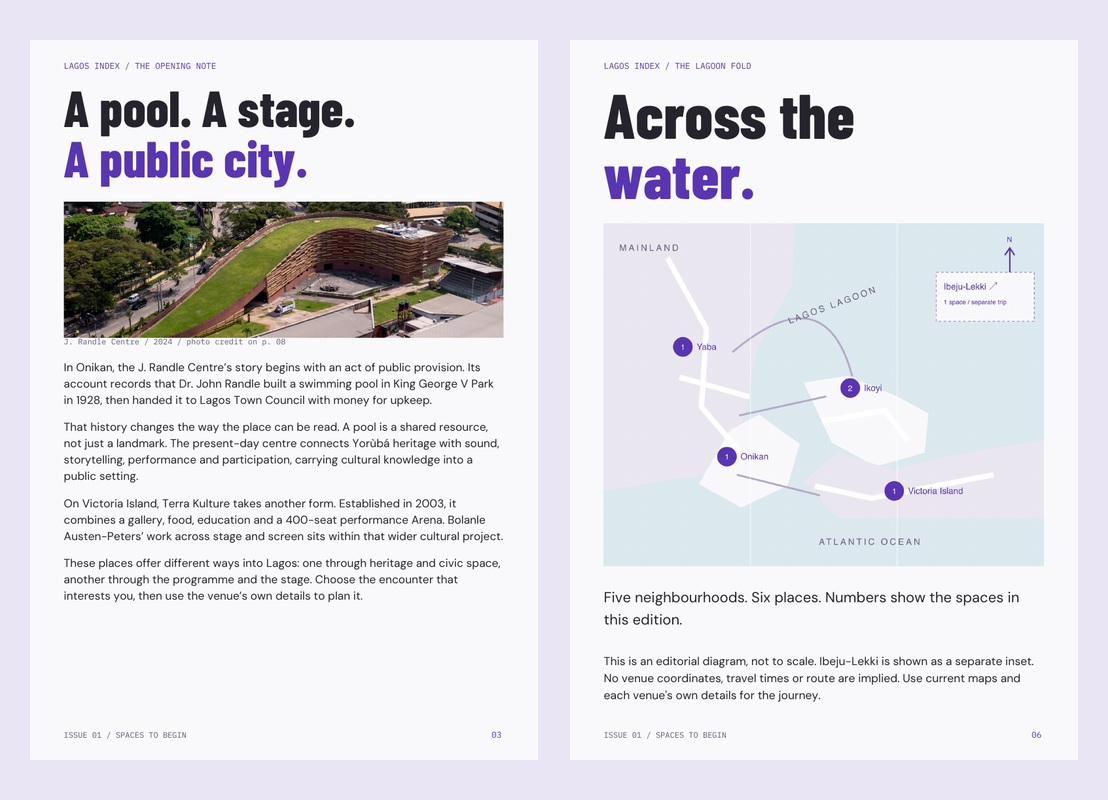
Content that earns its place
Separate the place
from the programme.
Desk research found conflicting street numbering for one shop and differing admission language on a museum’s pages. A gallery catalogue also records a past exhibition, rather than the current programme.
The guide keeps those distinctions useful: no invented “open now” state, event dates or ticket prices. The details point to the relevant venue sources and explain what to confirm.
What was checked
Nine automated tests cover combined filters, accent-insensitive search, shareable queries, saved-state recovery, deduplication, ordering and export contents, including named artists and programme details.
The browser review covers reading, filter recovery, map/list consistency, saving, reordering, exporting, keyboard dismissal and responsive layouts.
Reader evaluation / prepared
Reader sessions are planned. The prepared kit contains three tasks, consistent assistance rules and a blank observation sheet, ready for a small qualitative study. No participant findings are reported.
Sources, credits & project context
Independent concept by Clinton Feyisitan, with AI assistance in production. Original editorial synthesis and graphics; venue names belong to their respective organisations. Photographs retain their individual credits and licences on the image-source page.
J. Randle Centre ↗CCA, Lagos ↗Bookcraft Africa / Jazzhole listing ↗Storehouse Voices / Jazzhole profile ↗Terra Kulture ↗Alliance Française / official exhibition catalogue ↗Yemisi Shyllon Museum / visit ↗Source review: 4 November 2026. The source kit includes the content ledger and editable text. Barlow Condensed, DM Sans and IBM Plex Mono are distributed under the SIL Open Font License; licences included.
Have a story that needs a system?